
Electrical Panel Installation
An electrical panel is the central hub of a property's electrical system, distributing power safely to circuits throughout the building. Whether constructing a new property, upgrading an aging electrical system, or replacing an outdated panel, professional electrical panel installation is essential for safety, reliability, and long-term performance.
At Anderson Lighting & Electric, electrical panel installation services are designed to support the power demands of modern homes, businesses, and facilities. From panel replacements to service upgrades, every installation is completed with careful planning, proper load calculations, and adherence to current electrical codes.
What Is an Electrical Panel?
An electrical panel, sometimes called a breaker panel or service panel, receives electricity from the utility provider and distributes it throughout a property's electrical system. Inside the panel, circuit breakers protect individual circuits from overloads, short circuits, and other electrical issues.
The electrical panel serves as the control center for the entire electrical system. Every outlet, light fixture, appliance, and electrical device depends on the panel to deliver power safely and efficiently.
As electrical demands increase, older panels may struggle to support modern appliances, HVAC equipment, home office technology, EV chargers, and other high-demand systems. Installing the proper panel size helps ensure reliable operation while reducing the risk of electrical problems.
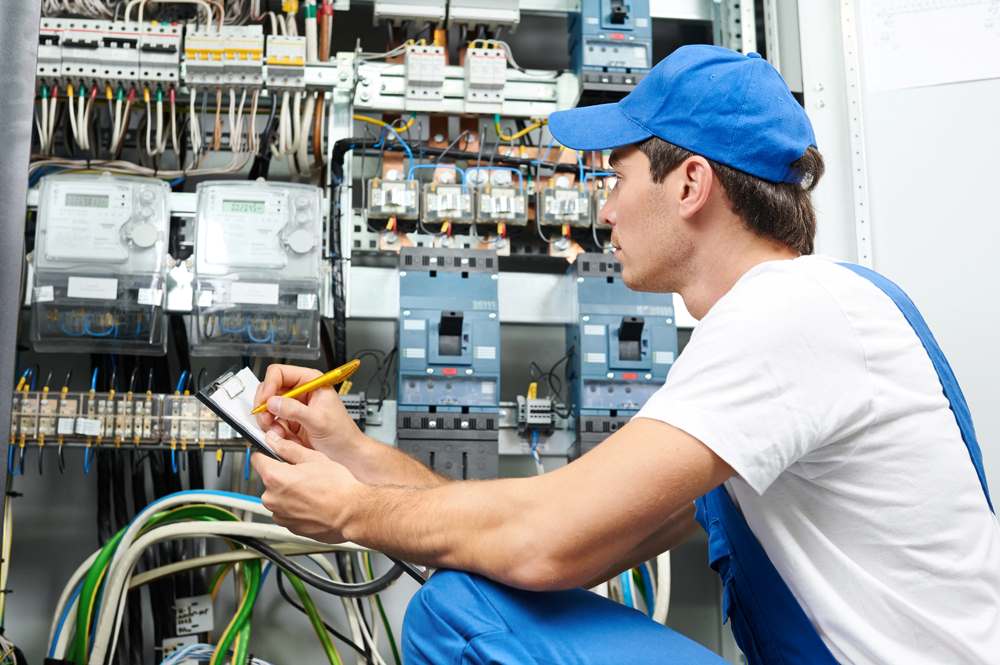
Signs You May Need a New Electrical Panel
Electrical panels are designed to provide years of dependable service, but there are situations where replacement or upgrading becomes necessary.
Frequent Breaker Trips
Circuit breakers that trip regularly may indicate the panel is overloaded or unable to handle current electrical demands. While occasional trips can occur, repeated interruptions often signal a larger issue that should be evaluated by a qualified electrician.
Flickering or Dimming Lights
Lights that flicker when appliances start, or when electrical equipment is in use, can indicate insufficient electrical capacity or problems within the panel. These symptoms may suggest the need for an upgraded electrical service panel.
Outdated Fuse Box Systems
Many older properties still rely on fuse boxes or aging electrical panels that were not designed for today's power requirements. Replacing outdated systems can improve safety, functionality, and code compliance.
Burning Odors or Excess Heat
A burning smell near the panel, signs of overheating, or discoloration around breakers should never be ignored. These conditions may indicate serious electrical hazards that require immediate attention.
Limited Capacity for Modern Electrical Demands
Today's properties often use significantly more electricity than they did decades ago. New appliances, HVAC systems, entertainment equipment, and electric vehicle charging stations can place additional strain on older panels.
Renovations and Property Expansions
Home additions, remodeling projects, and commercial expansions frequently require increased electrical capacity. Installing a new panel helps ensure the system can safely support added circuits and equipment.
Benefits of Electrical Panel Installation and Upgrades
Installing a new electrical panel offers several advantages beyond simply increasing power capacity.
Improved Electrical Safety
Modern electrical panels are designed with enhanced safety features that help protect against overloads, short circuits, and electrical faults. Replacing outdated equipment can significantly reduce potential hazards.
Increased Power Capacity
A properly sized panel provides the electrical capacity needed to support modern technology, appliances, and future upgrades without overloading the system.
Better System Reliability
An upgraded panel helps deliver consistent electrical performance throughout the property. This can reduce nuisance breaker trips and improve overall system stability.
Support for Modern Appliances and Technology
High-efficiency HVAC systems, electric vehicle chargers, smart home devices, and advanced appliances often require more power than older panels can provide. A panel upgrade prepares the electrical system for current and future demands.
Compliance With Current Electrical Codes
Electrical codes continue to evolve to improve safety and performance. Installing a new panel helps ensure the electrical system meets applicable requirements and industry standards.
Increased Property Value
Updated electrical infrastructure can be a valuable asset for property owners. A modern electrical panel may increase buyer confidence and contribute to the overall appeal of a property.
Types of Electrical Panels
Different properties have different electrical requirements. Selecting the appropriate panel depends on the building's size, electrical load, and future expansion plans.
100 Amp Panels
A 100 amp panel may be suitable for smaller properties with limited electrical demands. However, many modern homes require additional capacity.
150 Amp Panels
A 150 amp panel provides increased capacity and may be appropriate for properties with moderate electrical needs.
200 Amp Panels
A 200-amp panel is one of the most common choices for modern residential properties. It offers the capacity necessary to support appliances, HVAC systems, technology, and future upgrades.
Commercial Electrical Panels
Commercial facilities often require specialized electrical panels capable of supporting larger equipment loads, operational systems, and expanded electrical infrastructure.
Subpanels
Subpanels help distribute power to specific areas of a property, detached structures, workshops, additions, or specialized equipment installations.
Applications for Electrical Panel Installation
Electrical panel installation can benefit a wide variety of properties and situations.
Residential Properties
Homeowners may require panel installation when replacing outdated equipment, completing renovations, adding major appliances, or preparing for electric vehicle charging. Upgraded panels help ensure safe and reliable operation throughout the home.
Commercial Facilities
Businesses depend on stable electrical systems to support daily operations. Electrical panel upgrades can help accommodate equipment expansions, increased power demands, and future growth.
Industrial Environments
Industrial facilities often require higher-capacity electrical systems to support machinery, production equipment, and specialized operational requirements. Proper panel installation helps maintain reliability and workplace safety.
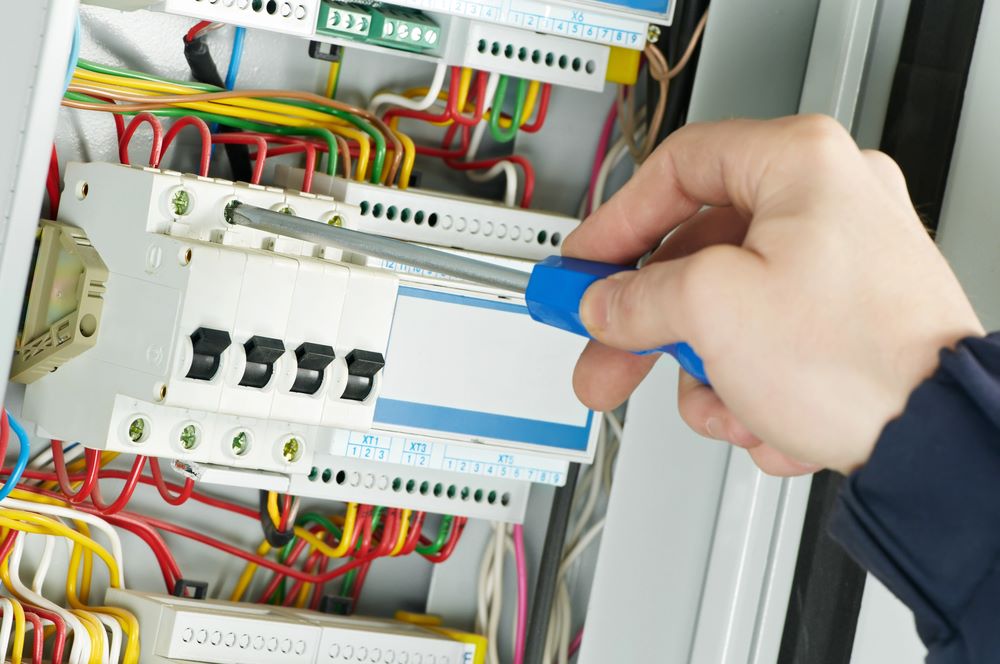
What to Expect During Electrical Panel Installation
Professional electrical panel installation involves several important steps to ensure safe and efficient operation.
Electrical System Evaluation
The process begins with an assessment of the existing electrical system. This helps identify current limitations, electrical demands, and future requirements.
Load Calculation and Capacity Planning
Accurate load calculations determine the appropriate panel size and electrical capacity needed for the property.
Permit and Code Compliance
Electrical panel installations often require permits and inspections. Following applicable codes helps ensure the work meets safety standards and regulatory requirements.
Panel Installation
The existing panel is replaced, or a new panel is installed according to project specifications. Connections are carefully completed to support safe power distribution.
Testing and Safety Verification
After installation, the electrical system is tested to verify proper operation, breaker functionality, and overall performance.
Final Inspection
Where required, inspections confirm that the installation complies with applicable electrical codes and safety standards.
Why Professional Electrical Panel Installation Matters
Electrical panel installation is a complex project that directly affects the safety and performance of the entire electrical system. Proper installation requires technical expertise, accurate load calculations, code knowledge, and careful attention to detail.
Working with experienced electricians helps ensure that the panel is appropriately sized, correctly installed, and capable of supporting current and future electrical needs. Professional installation also helps reduce the risk of electrical hazards, equipment damage, and costly system failures.
Since 2005, Anderson Lighting & Electric has provided electrical solutions for residential, commercial, and industrial clients. Every project is approached with a commitment to safety, quality workmanship, and code-compliant installation practices.
Frequently Asked Questions
How do I know if I need an electrical panel replacement?
Signs that a panel replacement may be needed include recurring breaker trips, flickering lights, outdated fuse box systems, limited electrical capacity, and noticeable wear or damage to the panel.
What size electrical panel should I install?
The appropriate panel size depends on the property's electrical load and future power requirements. A professional evaluation can help determine the best option.
Can I upgrade from a 100-amp panel to a 200-amp panel?
Yes. Many property owners upgrade from 100 amp service to 200 amp service to accommodate increased electrical demands and future expansion.
How long does electrical panel installation take?
Project timelines vary depending on the property's electrical system, panel size, permitting requirements, and overall project complexity.
Will permits be required?
Many electrical panel installations require permits and inspections. Requirements vary depending on the scope of work and applicable regulations.
Can a new panel help prevent breaker trips?
If breaker trips are caused by inadequate capacity or an outdated panel, an upgrade may improve system performance and reliability.

160+ 5 Star Reviews on Google
Schedule Electrical Panel Installation
Whether replacing an aging panel, increasing electrical capacity, or planning a new installation, professional electrical panel services can help ensure safe and reliable power distribution.
Contact Anderson Lighting & Electric to discuss electrical panel installation options, request an estimate, or schedule an electrical system evaluation. Experienced electricians are available to help determine the right solution for your property's current and future electrical needs.